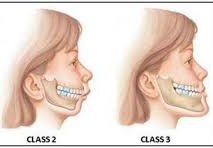
Class II vs Class III
Class II vs Class III Malocclusion: Causes, Differences, and Treatment Options
Introduction
Not all orthodontic problems are the same. Some involve only tooth position, while others are related to jaw growth and facial structure. Two of the most common bite problems are Class II and Class III malocclusion.
Understanding the difference between them is important, because treatment timing and approach vary significantly. This article explains these conditions in simple terms and outlines modern treatment options.
At Innovative Dental Center, accurate diagnosis is the foundation of successful orthodontic and facial treatment.
What Is a Malocclusion?
Malocclusion refers to a misalignment between the upper and lower teeth or jaws. It can affect:
Chewing and speech
Facial appearance
Tooth wear
Jaw joint health
Orthodontists classify malocclusions based on the relationship between the jaws and teeth.
What Is Class II Malocclusion?
Class II malocclusion occurs when:
The upper jaw or teeth are positioned too far forward, or
The lower jaw is positioned too far back, or
A combination of both
It is commonly associated with:
Protruding upper front teeth
Increased overjet
Higher risk of tooth trauma
Lip incompetence in some cases
Class II is one of the most common orthodontic problems in children and adolescents.
What Is Class III Malocclusion?
Class III malocclusion occurs when:
The lower jaw is positioned forward, or
The upper jaw is underdeveloped, or
Both conditions coexist
It may present as:
An underbite
Reverse overjet
Concave facial profile
Class III problems often have a strong genetic component and benefit greatly from early evaluation.
Dental vs Skeletal Problems
Not all Class II or Class III cases are the same.
Dental malocclusion: teeth are misaligned, jaws are normal
Skeletal malocclusion: jaw position or size is abnormal
This distinction is critical because:
Dental problems can often be corrected with orthodontics alone
Skeletal problems may require growth modification or surgery
At Innovative Dental Center, digital imaging and growth analysis help determine the true nature of the problem.
Treatment Options for Class II Malocclusion
In Growing Patients
Growth-modifying appliances
Functional appliances
Early orthodontic intervention
In Adolescents and Adults
Braces or clear aligners
Tooth movement camouflage
Orthognathic surgery in severe cases
Treatment Options for Class III Malocclusion
In Growing Children
Early orthopedic treatment
Maxillary expansion and protraction
Habit control and monitoring
In Adults
Orthodontic preparation
Orthognathic surgery when indicated
Combined orthodontic–surgical treatment
Early treatment can sometimes reduce or eliminate the need for surgery later.
Why Timing Is So Important
Jaw growth cannot be replicated once it ends.
Missing the optimal window may limit treatment options and affect results.
This is why early orthodontic evaluation is critical, especially for Class III cases.
Frequently Asked Questions
Can Class II or III correct itself with time?
No. Growth often worsens the problem without intervention.
Are these conditions purely cosmetic?
No. They affect function, speech, and long-term dental health.
Is surgery always needed for Class III?
No. Early treatment can reduce severity in many cases.
Can aligners treat Class II or III problems?
In selected cases, yes — but not all.
How do I know which class my child has?
Only a professional orthodontic evaluation can determine this accurately.
Managing Complex Bites at Innovative Dental Center
At Innovative Dental Center, management of Class II and Class III malocclusions includes:
Board-certified orthodontic expertise
Advanced digital diagnostics
Growth-based treatment planning
Collaboration with Maxillofacial Surgery Clinic when needed
Our focus is function, facial harmony, and long-term stability, not just straight teeth.


