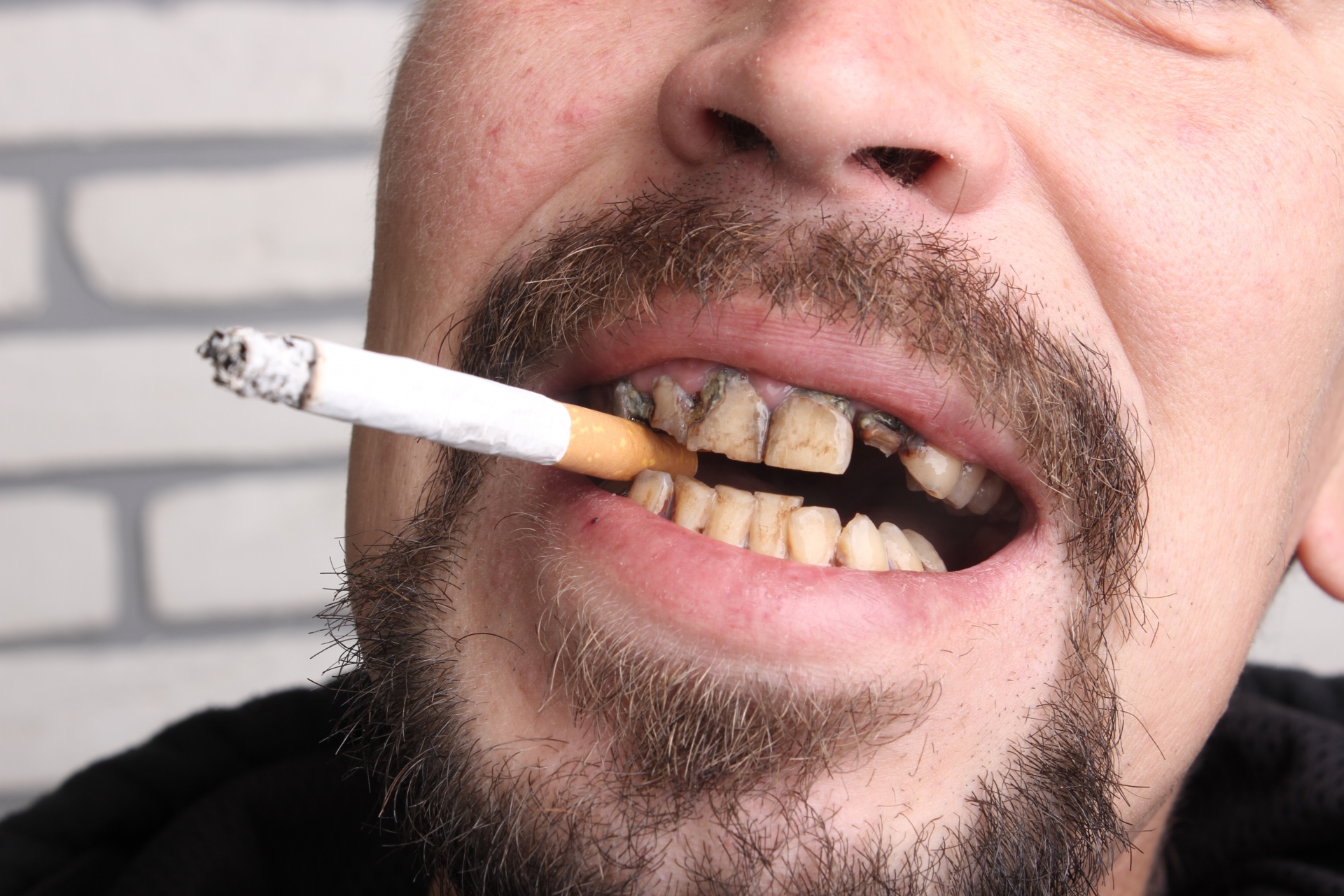
Smoking and Oral Health
Smoking and Oral Health: Risks You Can’t Ignore
Introduction
Smoking is one of the most harmful habits for oral health. Beyond discoloration, it significantly increases the risk of gum disease, tooth loss, oral cancer, and delayed healing.
At Innovative Dental Center, we educate patients on the dangers of tobacco and provide guidance for protecting teeth and gums.
How Smoking Affects Your Oral Health
1. Gum Disease
Smoking weakens the immune system
Reduces blood flow to gums
Increases severity and slows healing
2. Tooth Discoloration
Tar and nicotine stain teeth yellow or brown
Professional whitening may be less effective for smokers
3. Oral Cancer
Smokers are up to 6 times more likely to develop oral cancers
Early detection through routine dental exams is critical
4. Delayed Healing
Smoking impairs tissue repair after extraction, implants, or surgery
Increases risk of infection and complications
5. Bad Breath and Plaque
Tobacco promotes bacteria growth
Causes persistent halitosis
Frequently Asked Questions
Can quitting reverse damage?
Some effects improve over time — gum health and staining can be partially reversed, but cancer risk remains elevated for years.
Is vaping safer for teeth?
Vaping still irritates gums and can contribute to dry mouth and decay.
How often should smokers visit the dentist?
Every 3–6 months for early detection and preventive care.
Can implants succeed in smokers?
Yes, but the risk of implant failure is higher; cessation improves success rates.
Are whitening treatments effective for smokers?
Yes, but stains may recur if smoking continues.
Smoking and Dental Care at Innovative Dental Center
We provide:
Comprehensive oral health screenings for smokers
Preventive treatments for gum disease and decay
Guidance for quitting or reducing tobacco use
Personalized maintenance plans to protect teeth, gums, and restorations
Our goal is preserving oral health, preventing disease, and improving long-term outcomes for smokers.
