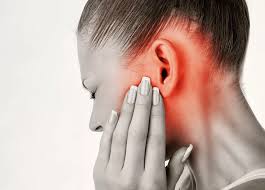
TMJ Disorders
TMJ Disorders: Symptoms, Causes, and Treatment Options
Introduction
The temporomandibular joint (TMJ) connects the jaw to the skull. Disorders affecting this joint can cause pain, clicking, headaches, and limited jaw movement, significantly impacting daily life.
At Innovative Dental Center, we offer comprehensive TMJ evaluation and treatment, addressing both symptoms and underlying causes.
Common Symptoms of TMJ Disorders
Jaw pain or tenderness
Clicking or popping sounds
Difficulty opening or closing the mouth
Headaches or ear pain
Facial muscle tension
Jaw locking
Symptoms may worsen with stress or chewing.
Causes of TMJ Disorders
Bite misalignment
Teeth grinding or clenching (bruxism)
Jaw trauma or injury
Arthritis
Muscle overuse or stress-related tension
Identifying the cause is key to effective treatment.
TMJ Treatment Options
1. Conservative Therapies
Bite splints or night guards
Physiotherapy exercises
Lifestyle and posture adjustments
2. Dental and Orthodontic Treatment
Bite correction to reduce joint strain
Occlusal adjustments
3. Advanced Care
Medication for inflammation
Injections: Corticosteroid injections to reduce inflammation, or Botox injections to relax tense jaw muscles.
Arthrocentesis: A procedure that involves using needles to wash out the joint, removing inflammatory byproducts.
Trigger Point Injections: Injections into painful facial muscles to relieve pain.
Arthrocentesis: A procedure that involves using needles to wash out the joint, removing inflammatory byproducts.
Trigger Point Injections: Injections into painful facial muscles to relieve pain.
Multidisciplinary management for complex cases
Surgery is rarely required and reserved for severe cases.
Frequently Asked Questions
Is TMJ a serious condition?
Most cases are manageable with conservative treatment.
Can TMJ heal on its own?
Mild cases may improve, but persistent symptoms need evaluation.
Is TMJ related to orthodontic problems?
Yes. Bite imbalance is a common contributing factor.
Do night guards really help?
Yes. They reduce muscle tension and protect teeth.
When should I see a dentist for TMJ pain?
If pain lasts more than a few weeks or affects daily activities.
TMJ Care at Innovative Dental Center
We provide:
Detailed TMJ and bite analysis
Custom-made splints and guards
Integrated orthodontic and dental solutions
Long-term management plans for comfort and stability
Our goal is relief from pain, improved jaw function, and lasting comfort.
