Wisdom Teeth
Wisdom Teeth: Extraction or Leave Them?
Introduction
Wisdom teeth, or third molars, usually appear between ages 17–25. Many patients wonder if these teeth should be removed or left alone. Proper evaluation is essential to avoid pain, crowding, or infection.
At Innovative Dental Center, we provide careful assessment and personalized guidance to ensure the best long-term dental health.
When Wisdom Teeth May Need Removal
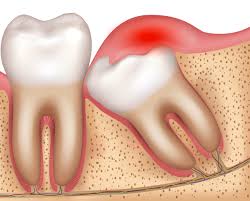
1. Impaction
Teeth trapped under gum or bone
Can cause pain, swelling, or infection
2. Misalignment
Angled or crowded wisdom teeth can push other teeth
May affect bite or orthodontic results
3. Infection or Decay
Partially erupted teeth are hard to clean
Prone to cavities or gum disease
4. Cysts or Tumors
Rare, but sometimes develop around impacted teeth
Early removal prevents bone damage
When Wisdom Teeth Can Be Left Alone
Fully erupted, straight, and functional
Easy to clean with no pain or decay
Regular monitoring recommended
Extraction Considerations
Typically outpatient procedure under local anesthesia
Minimal downtime for most patients
Post-operative care includes soft foods, cold compress, and pain management
Frequently Asked Questions
Is wisdom tooth removal always necessary?
No. Only problematic or high-risk teeth require extraction.
Can leaving wisdom teeth cause problems later?
Yes, even asymptomatic teeth can become impacted or infected with time.
How long is recovery?
Usually 3–7 days, depending on complexity.
Will extraction affect my bite?
No, if performed properly and with orthodontic alignment considered.
Can children have wisdom teeth removed?
Third molars erupt late, so extraction is generally done in late teens or early twenties.
Wisdom Tooth Care at Innovative Dental Center
We provide:
Comprehensive imaging to evaluate eruption and alignment
Personalized treatment planning for extraction or monitoring
Use of Nitrous Oxide sedation (Laughing gas) for patient’s comfort
The use of minimally invasive procedures whenever possible
Follow-up to ensure proper healing and oral health
Our goal is preventing future problems while maintaining healthy, functional teeth.
